All Categories
Featured
Table of Contents
(Source: LogicMonitor) Cloud-based cooperation tools are seeing considerable growth, allowing companies to foster collaboration, efficiency, and innovation throughout dispersed groups. Cloud-based collaboration tools are anticipated to reach a market size of $23.87 billion by 2026, with a CAGR of 13.8% from 2021 to 2026. (Source: Mordor Intelligence) The COVID-19 pandemic has sped up cloud migration plans, driven mainly by the need to allow remote work and guarantee service connection.
(Source: Flexera 2021 State of the Cloud Report) Cloud data centers are leading the charge towards ecological sustainability, with ambitious targets to reduce carbon emissions. This dedication to sustainability shows the growing acknowledgment of the environmental impact of IT facilities and the value of adopting environment-friendly cloud services. These stats underscore the prevalent adoption of cloud computing, its substantial influence on business operations, and the myriad benefits it uses in regards to expense savings, dexterity, scalability, security, efficiency, and ecological sustainability.
AI technologies, such as maker knowing, natural language processing, and computer system vision, are progressively incorporated into cloud platforms, enabling organizations to extract insights, automate procedures, and deliver customized experiences at scale. AI-powered cloud services, such as predictive analytics, recommendation engines, and chatbots, empower companies to make data-driven decisions, expect client needs, and enhance user engagement.
Embracing cloud computing can boost an organization's agility, optimize expenses, foster development, and ensure security in an increasingly competitive and vibrant market landscape. As more organizations migrate to the cloud, the need for flexible and scalable security solutions is more critical than ever. BigID is the industry leading platform for information security, personal privacy, and governance leveraging innovative AI and artificial intelligence for thorough visibility and control.
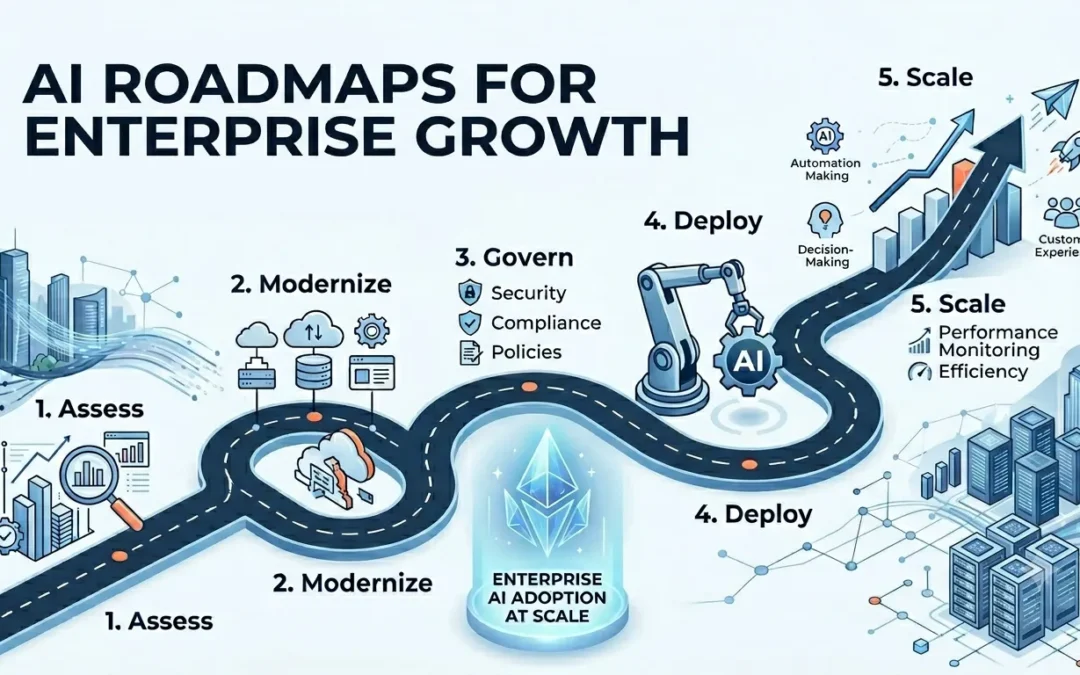
Navigating the 2026 AI and Modern Roadmap
Enhance your danger posture and reduce your storage expenses in the cloud by removing unnecessary data. Revoke over fortunate users and set policies that streamline compliance between data source owners.
Assign findings and tasks to the right information owners, act on the right data, and maintain an audit trail of all remediation activity. To see how BigID can assist your company better protect your delicate data in the cloud book a 1:1 demo with our security professionals today..
The Town of View Royal on Vancouver Island chose ESW IT Service Advisors in 2019 because we were looking for a handled service supplier that might supply a depth of technical know-how. We appreciate ESW's collaborated method to fulfilling our needs for a responsive service desk, hardware refresh planning, acquiring and application, and expert recommendations on tactical preparation, info security and infotech finest practices.
Cloud facilities transformation entails a detailed overhaul of company facilities and operations, enabling choice makers to utilize cloud technologies. The methodical process is not simply about transferring to the cloud but about welcoming a digital-first, agile, and resilient way of working. The main concern associated with cloud conversion is why organizations ought to adopt it.
Crucial Tips for Navigating the Future of Tech
The pay-as-you-go model lowers in advance expenses. Always-on infrastructure with integrated redundancy. Cloud design and facilities change is no longer optional but a tactical necessary for services that desire to build a model for remaining future-ready.
Typically used interchangeably, cloud migration and cloud change are basically different from each other and stand on different premises., and cloud-native optimization Service Impact Short-term expense savings Long-term dexterity, effectiveness, and development If migration gets you to the cloud, cloud change services guarantee you prosper in it.
Modernizing Data Infrastructure for the Digital Era
Cloud modification features hurdles that, if unaddressed, can stall development and boost expenses. These cloud transformation challenges consist of system intricacy, data migration dangers, security gaps, and resistance to alter. To understand the difficulties and how to conquer them, it is necessary for organizations to consider every aspect possible. Cloud Change Difficulties What are They? Our Cloud Improvement Strategy Legacy Complexity Outdated monolithic systems often do not have modularity and cloud compatibility.
Security Issues Cloud environments expand the threat surface area, needing more stringent gain access to control and compliance. Carry out zero-trust architecture and advanced cloud security controls.

Latest Posts
Navigating the 2026 Landscape of Digital Convergence
Navigating the AI-Cloud Convergence in 2026
Transforming Cloud Platforms for the Digital Age